Card Room Culture and Its Impact on Tournament Strategies in the Prairies
David Reed · Sep 9, 2026
Card Room Culture and Its Impact on Tournament Strategies in the Prairies
Roots of Prairie Card Rooms
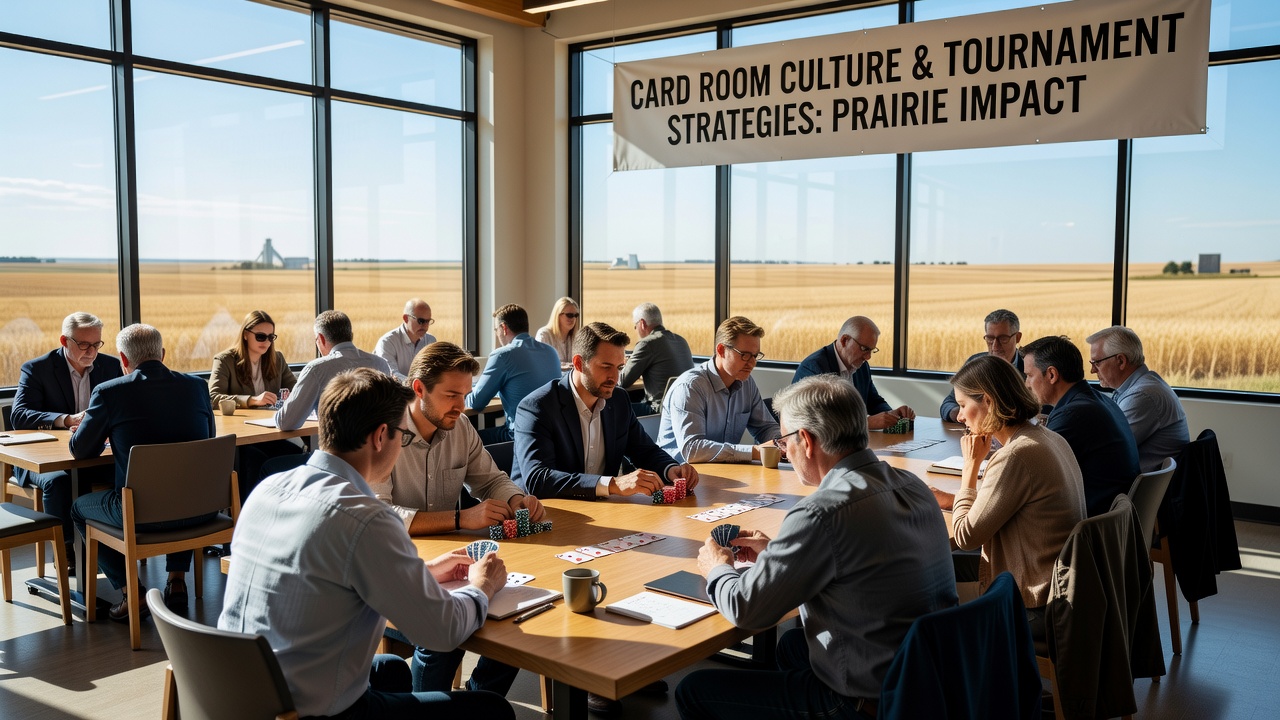
Card rooms across the Canadian Prairies developed from small community gatherings in Alberta and Saskatchewan into regulated venues that host regular tournaments, and data from provincial licensing bodies shows steady growth in the number of sanctioned events each year. Those venues maintain a distinct atmosphere where locals mix with visitors, creating environments that emphasize social interaction alongside competitive play, while researchers at Canadian institutions have documented how these spaces influence player behavior over time.
Daily Operations and Player Dynamics
Establishments in cities such as Calgary and Edmonton operate under oversight from the Alberta Gaming, Liquor and Cannabis commission, which sets rules for table limits, tournament structures, and player conduct that differ from those found in other provinces. Players often arrive early to claim seats, exchange small talk about recent hands, and observe seating charts that determine initial table assignments, and this routine fosters familiarity among regulars who return for weekly events. Observers note that cash game tables run alongside tournament areas, allowing participants to switch formats within the same session, which adds layers to preparation strategies that account for varying stack depths and blind structures.
September 2026 Tournament Calendar
Schedules released for September 2026 list multiple multi-day tournaments in prairie venues, with buy-ins ranging from modest entry levels to higher-stakes flights that attract regional competitors, and these dates align with harvest season breaks that free up more participants from agricultural work. Venues adjust starting times to accommodate evening crowds, while floor staff manage registration flows that peak on weekends when travel from smaller towns increases attendance numbers.
Cultural Elements Shaping Play
Local customs include extended conversations between hands and shared meals during breaks, which researchers have linked to slower decision-making patterns compared with faster-paced rooms elsewhere, and these habits carry into tournament settings where players read physical tells more readily because of repeated exposure to the same opponents. Data from venue reports indicate that prairie card rooms host higher percentages of recreational entrants who treat events as social outings, leading professionals to adapt by incorporating more table talk and position-based adjustments rather than relying solely on mathematical ranges.
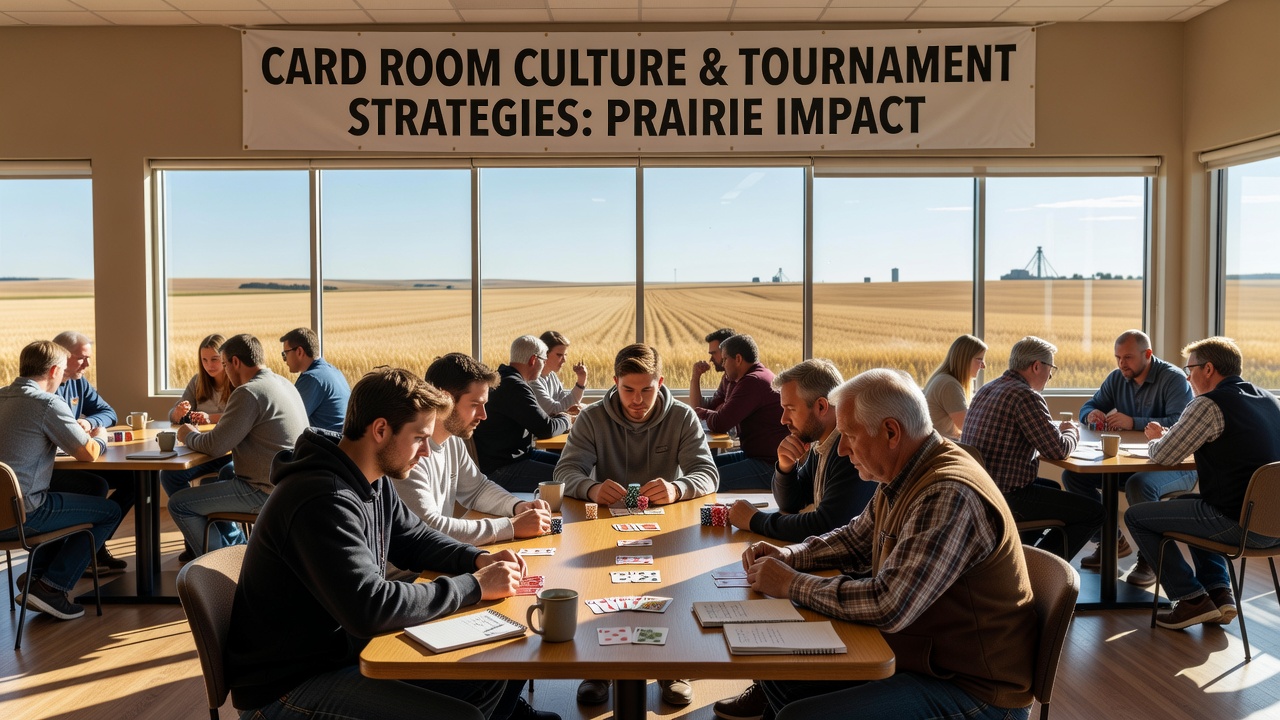
Community ties extend beyond the tables, as many regulars participate in local leagues that feed into larger regional series, and studies from gaming research centers show these networks create predictable opponent pools where history between players influences aggression levels and bluff frequencies during key stages.
Strategic Adjustments Observed in Tournaments
Players who frequent prairie card rooms develop tendencies toward tighter early-stage play because of the social accountability that follows them across multiple events, whereas later stages see increased risk-taking once tables break and new dynamics emerge, according to analyses published by industry monitoring groups. Tournament directors report that structures with deeper starting stacks encourage this evolution, allowing participants time to build reads on opponents who display consistent mannerisms shaped by the card room environment. Those adjustments include selective limping from late positions to maintain table harmony while still gaining information, a tactic documented more frequently in prairie events than in coastal venues.
Regulatory Framework and Venue Variations
Provincial regulations require clear separation between cash games and tournaments, which affects how strategies transition between formats, and compliance data released by the Alberta Gaming, Liquor and Cannabis commission confirms that venues maintain standardized procedures for dealing with disputes that arise from cultural expectations around etiquette. Saskatchewan locations follow similar guidelines yet operate with fewer tables on average, leading to quicker table consolidations that force earlier adaptations in stack management. External comparisons appear in reports from the Nevada Gaming Control Board, which highlight how prairie venues emphasize community oversight that influences rule enforcement differently than larger commercial properties.
Conclusion
Card room culture in the Prairies continues to shape tournament strategies through established social norms, regulatory consistency, and seasonal scheduling patterns that bring together diverse player groups. Venue records and academic observations confirm measurable effects on decision timing, aggression levels, and opponent profiling that distinguish these events from those held in other regions. As September 2026 approaches, the calendar of sanctioned tournaments provides ongoing opportunities to track how these local influences evolve within the established framework.